Dawnscroll

Explore

Archaeology

Finds that bear on the biblical text, from inscriptions naming its kings to claims that haven’t held up. Each has a rating that says how well it’s supported, and the sources to check it yourself.

How the ratings work
Established
Excavated, published and broadly accepted by scholars, with a direct link to the biblical text.
Supported
Strong evidence, but its link to the biblical text is probable rather than certain.
Debated
Real evidence, but scholars disagree about its date or its connection to the biblical account.
Unverified
Claims without recovered, published or independently examined evidence.

Each rating judges one claim, named at the start of the finding’s explanation. Archaeology can test people, places and events; it can’t test theological claims or miracles.

14 findings

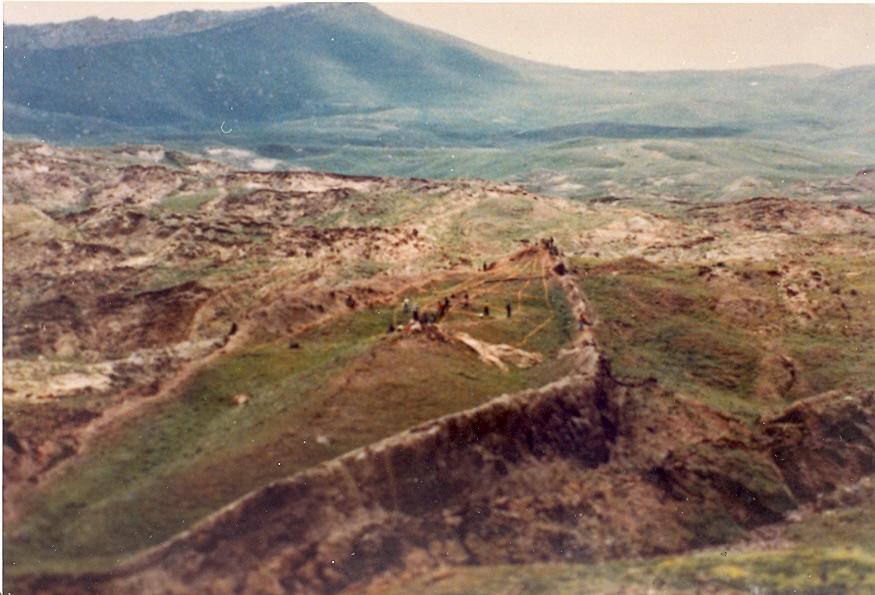
  • Noah’s Ark and the Durupınar Formation

    Unverified

    Durupınar, near Doğubayazıt, Turkey

    Genesis 6:14–16; Genesis 8:1–5

    A boat-shaped mound near Mount Ararat, about 164 meters long, that Ron Wyatt promoted as Noah’s ark and that radar surveys are still probing. Geologists, including one of its first promoters, explain it as a natural formation.

    View full finding: Noah’s Ark and the Durupınar Formation
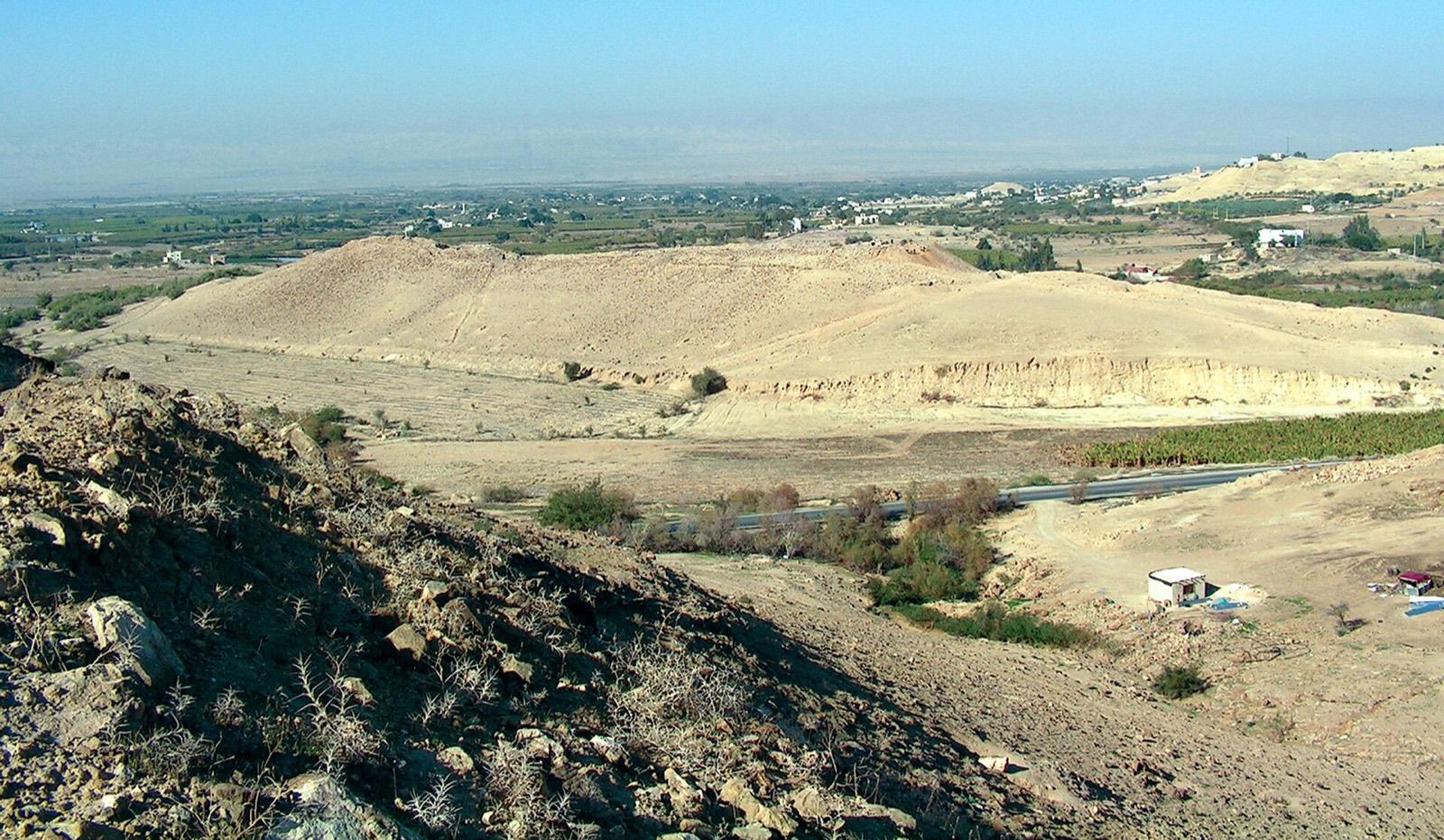
  • Tall el-Hammam and the Search for Sodom

    Debated

    Tall el-Hammam, Jordan

    Genesis 13:10–12; Genesis 19:24–28

    A large Bronze Age city northeast of the Dead Sea, violently destroyed around 1650 BC by its excavators’ dating. Its excavator identifies it as Sodom; most scholars who look for Sodom favor other sites or doubt it can be located.

    View full finding: Tall el-Hammam and the Search for Sodom
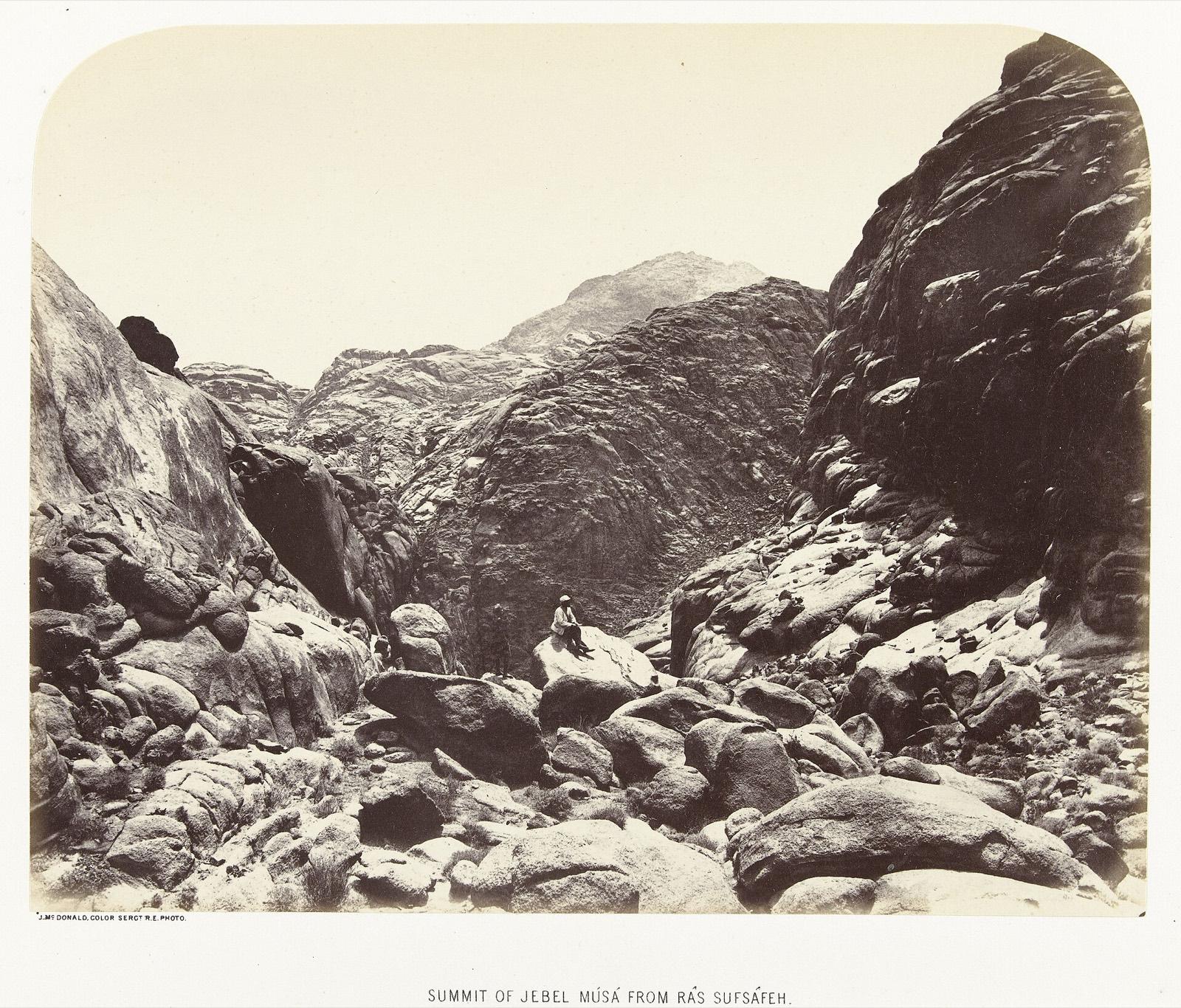
  • Tracing the Exodus Route

    Unverified

    Jebel Musa, southern Sinai, Egypt

    Exodus 12:37; Exodus 13:17–22; Exodus 19:1–2; Numbers 33:1–49

    Scholars have proposed northern, central, southern and Arabian routes for Israel’s journey from Egypt to Sinai. Egyptian sites shed light on the setting, but archaeology has confirmed no route or campsite.

    View full finding: Tracing the Exodus Route
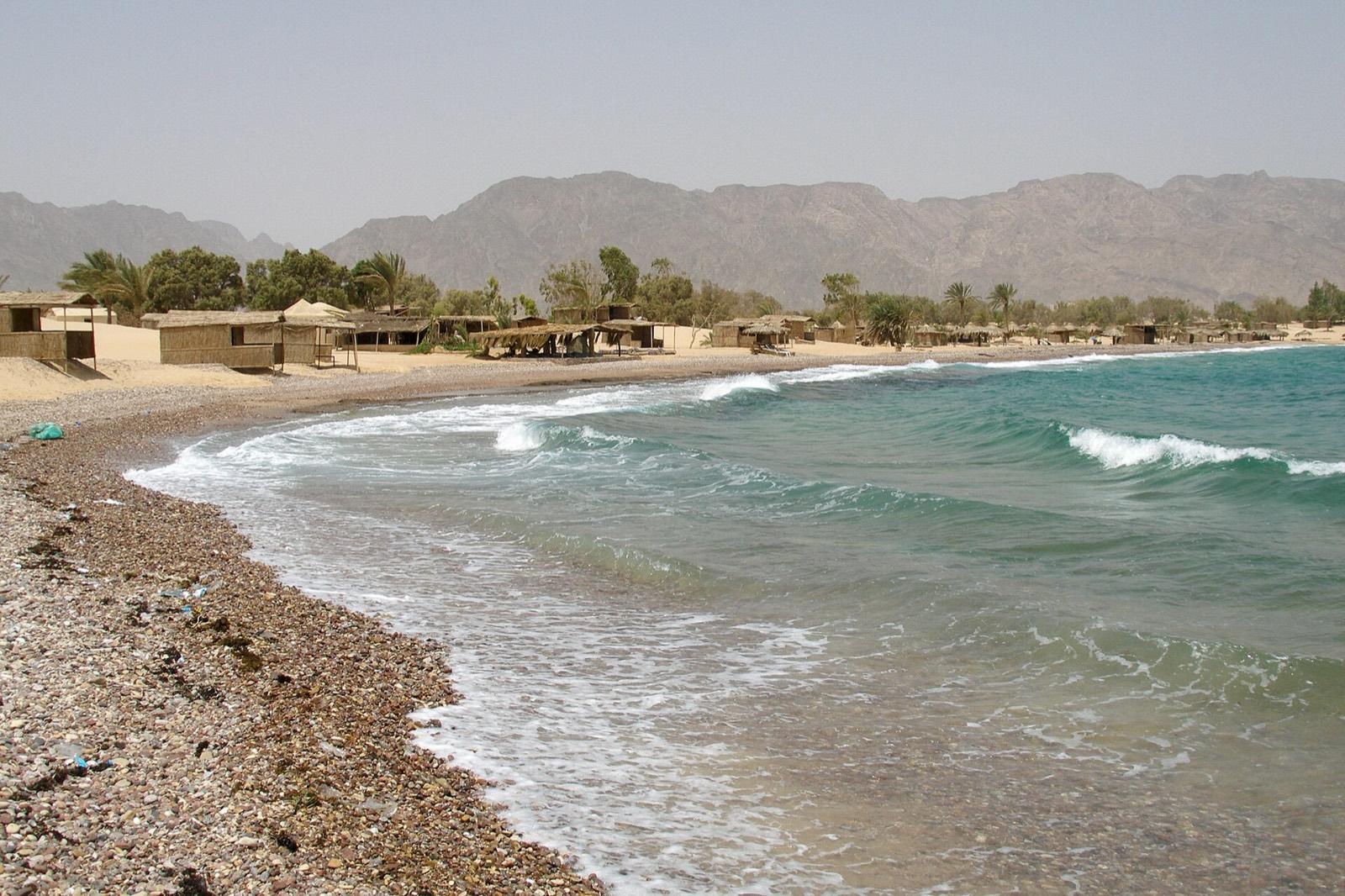
  • Red Sea “Chariot Wheels”

    Unverified

    Nuweiba, Gulf of Aqaba, Egypt

    Exodus 14:21–31; Exodus 15:4–5

    Since 1978, divers have reported coral-covered shapes resembling chariot wheels in the Gulf of Aqaba near Nuweiba. No object has been made available for study, and archaeologists, including many who accept the Exodus, do not consider the claim evidence.

    View full finding: Red Sea “Chariot Wheels”
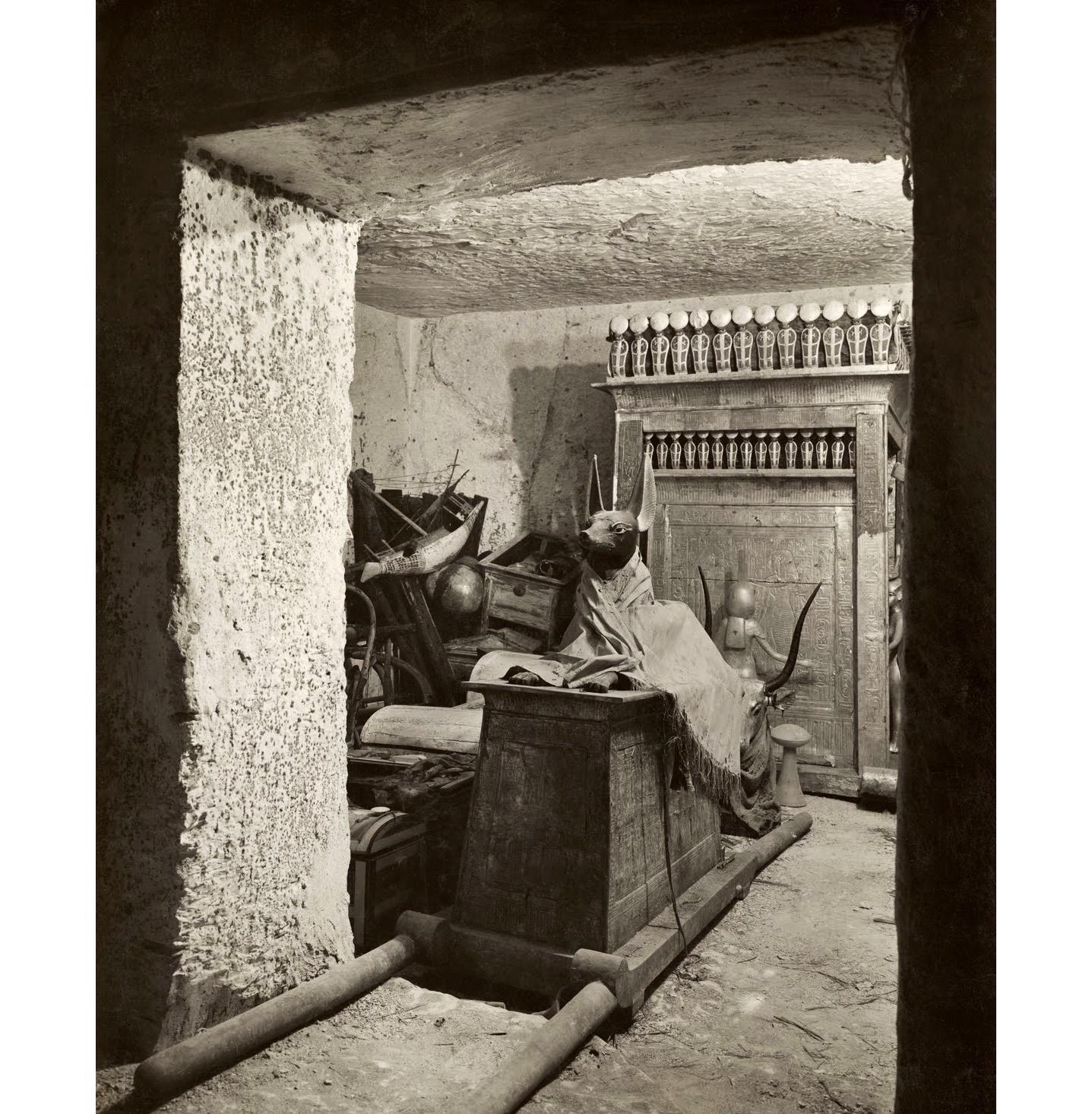
  • The Ark of the Covenant: What Became of It?

    Unverified

    Temple Mount, Jerusalem

    Exodus 25:10–22; 1 Samuel 7:1–2; 1 Kings 8:1–9; 2 Kings 25:13–17; 2 Chronicles 35:3; Jeremiah 3:16

    The Bible’s record of the Ark ends before the Babylonians destroyed Jerusalem in 586 BC, and no archaeological trace of it has been found. Many historians think it was lost or destroyed by then; traditions place it in Ethiopia, on Mount Nebo, in Babylon or beneath the Temple Mount.

    View full finding: The Ark of the Covenant: What Became of It?
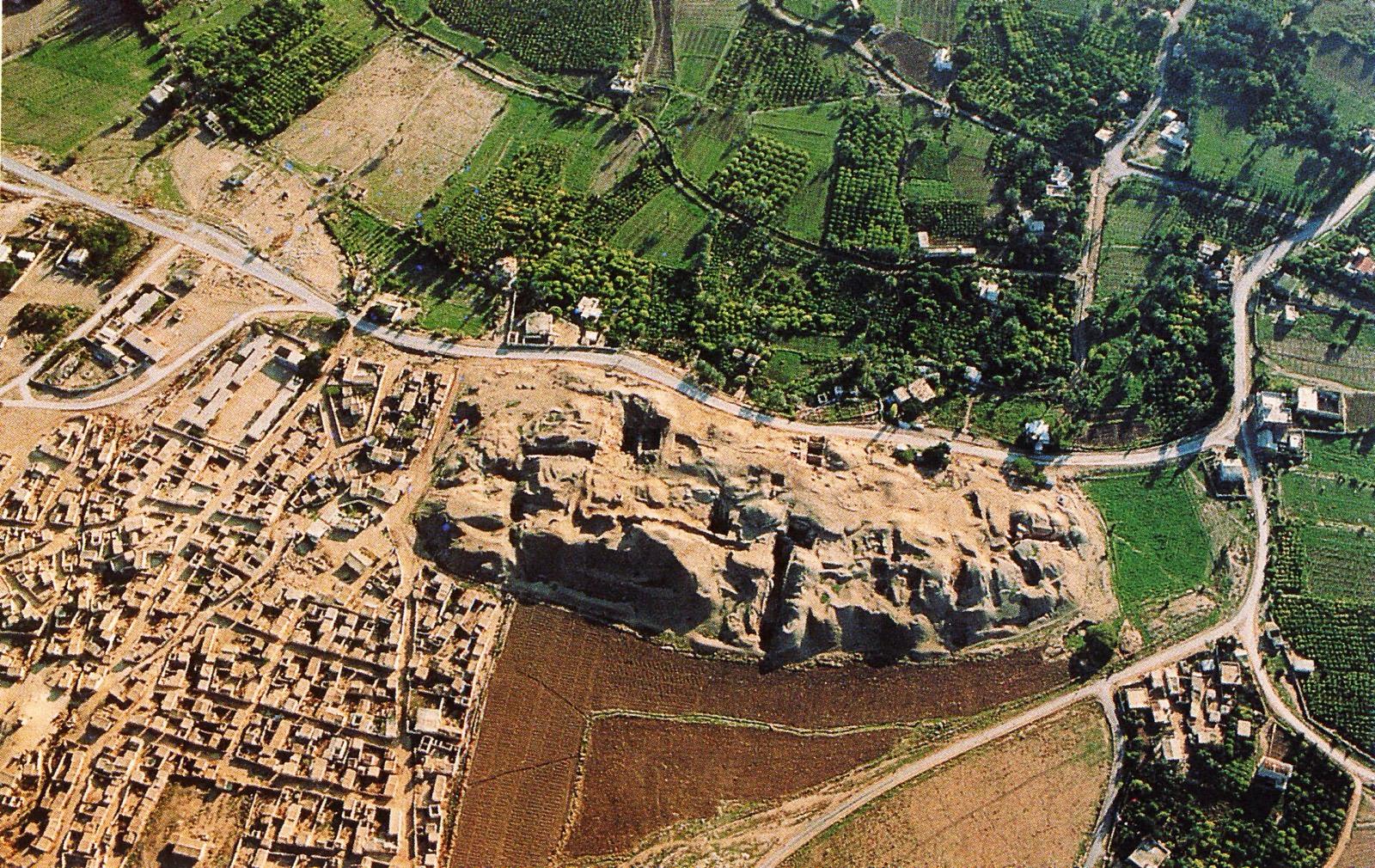
  • The Walls of Jericho

    Debated

    Tell es-Sultan, Jericho

    Joshua 6:1–27; 1 Kings 16:34

    Excavations at Tell es-Sultan have found a city destroyed by fire, with collapsed mudbrick walls. Archaeologists have argued for nearly a century over whether that destruction matches the date of Joshua’s conquest.

    View full finding: The Walls of Jericho
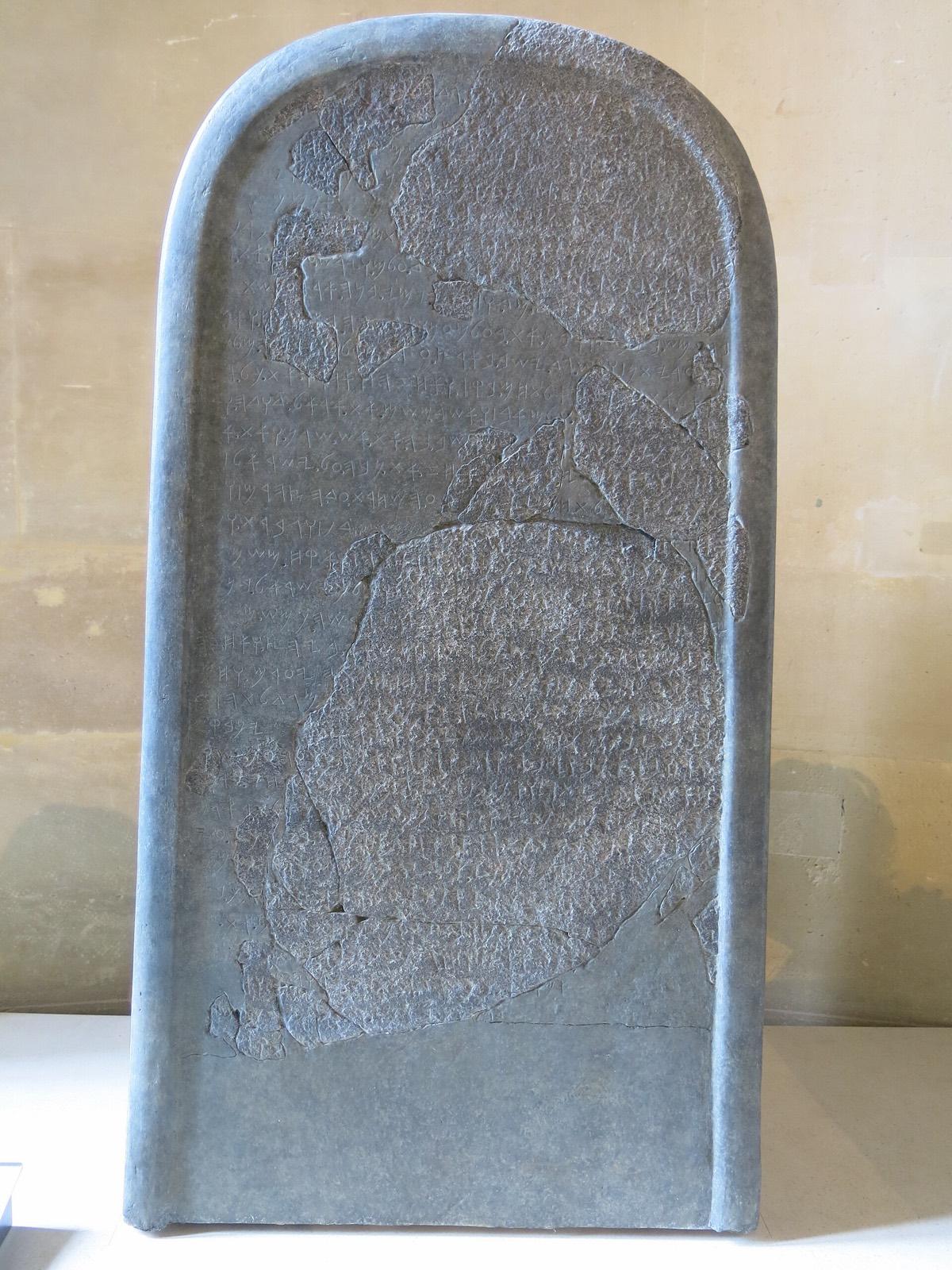
  • The Mesha Stele (Moabite Stone)

    Established

    Dhiban (biblical Dibon), Jordan

    2 Kings 1:1; 2 Kings 3:4–27

    A basalt monument in which Mesha, king of Moab, boasts of throwing off Israel’s rule around 840 BC. It names Omri king of Israel and Israel’s God, YHWH, and tells the revolt mentioned in 2 Kings 1:1 and 3:5 from Moab’s side.

    View full finding: The Mesha Stele (Moabite Stone)
  • The Tel Dan Stele: “House of David”

    Established

    Tel Dan, northern Israel

    2 Kings 8:28–29; 2 Kings 9:14–28

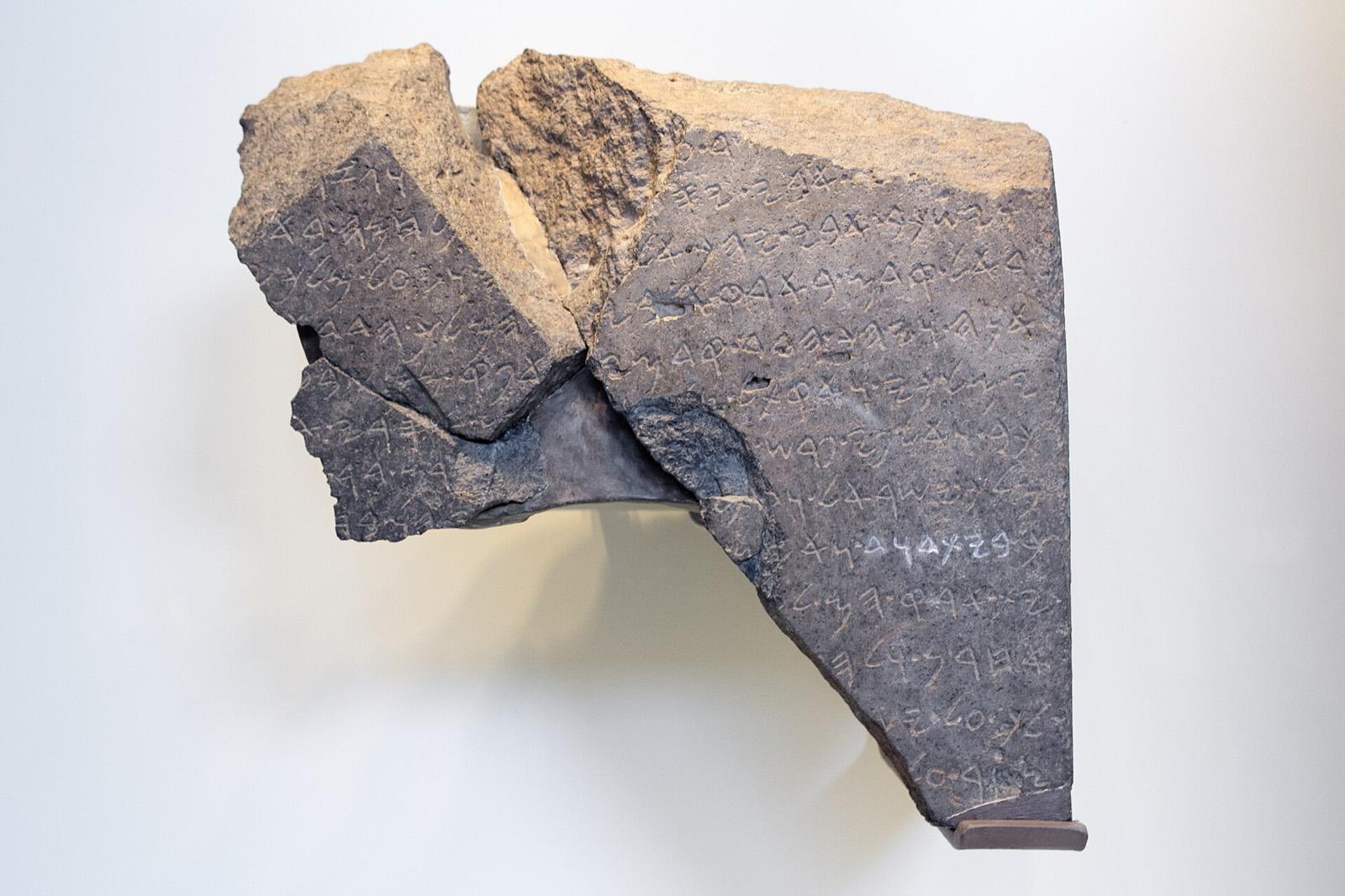
    Pieces of a 9th-century BC Aramaic victory monument, found at Tel Dan in 1993 and 1994. Its phrase “House of David” is the earliest widely accepted reference to David outside the Bible.

    View full finding: The Tel Dan Stele: “House of David”
  • The Assyrian Siege of Lachish

    Established

    Tel Lachish, Israel

    2 Kings 18:13–19:37; 2 Chronicles 32:1–23; Isaiah 36:1–37:38

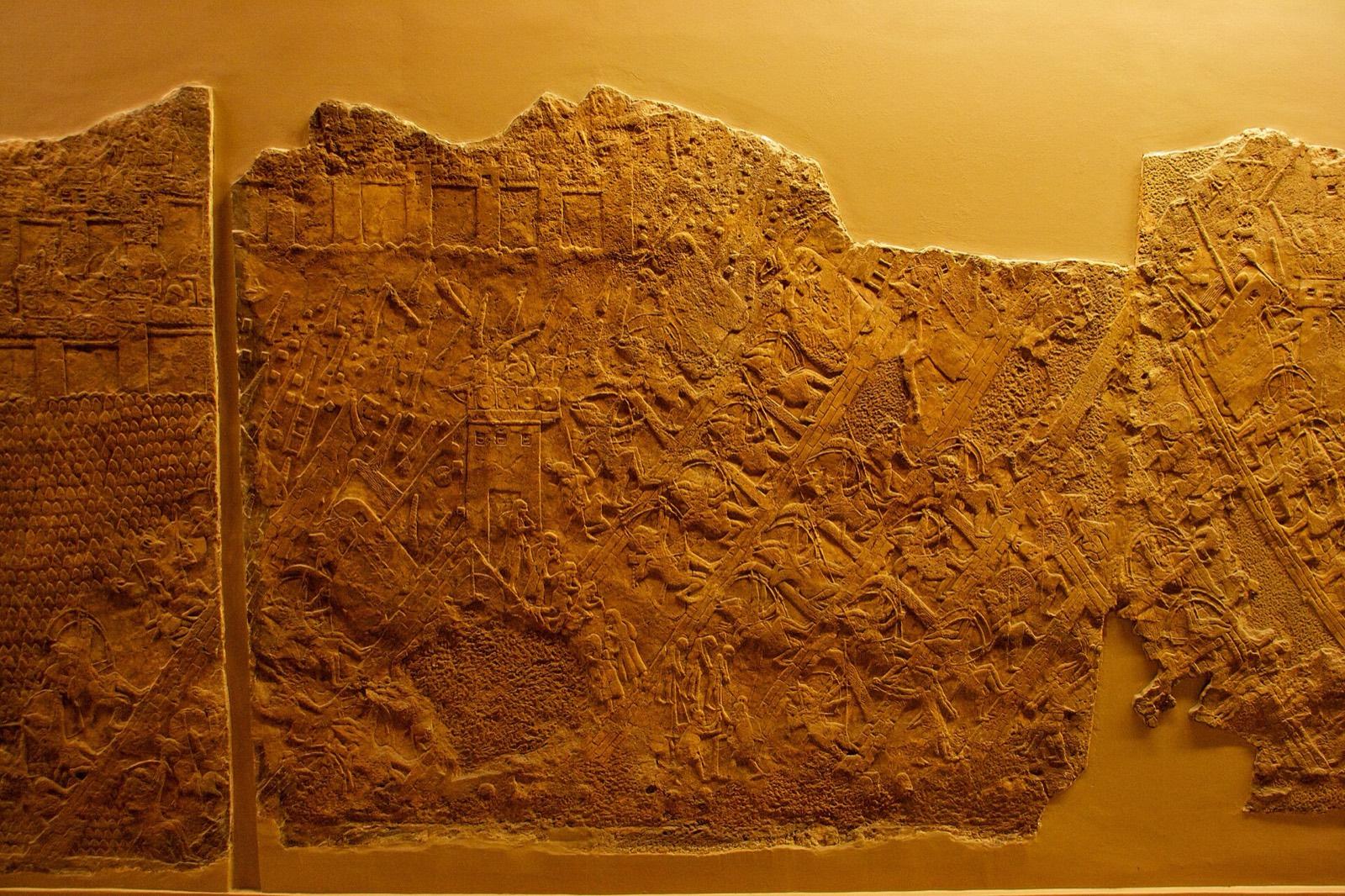
    Sennacherib’s 701 BC campaign against Judah is recorded in his own annals, carved in palace reliefs of the siege of Lachish, and visible in the siege ramp still at the site. The Bible tells of the same campaign in 2 Kings 18–19, Isaiah 36–37 and 2 Chronicles 32.

    View full finding: The Assyrian Siege of Lachish
  • Hezekiah’s Tunnel and the Siloam Inscription

    Established

    City of David (Silwan), Jerusalem

    2 Kings 20:20; 2 Chronicles 32:2–4; 2 Chronicles 32:30; Isaiah 22:9–11

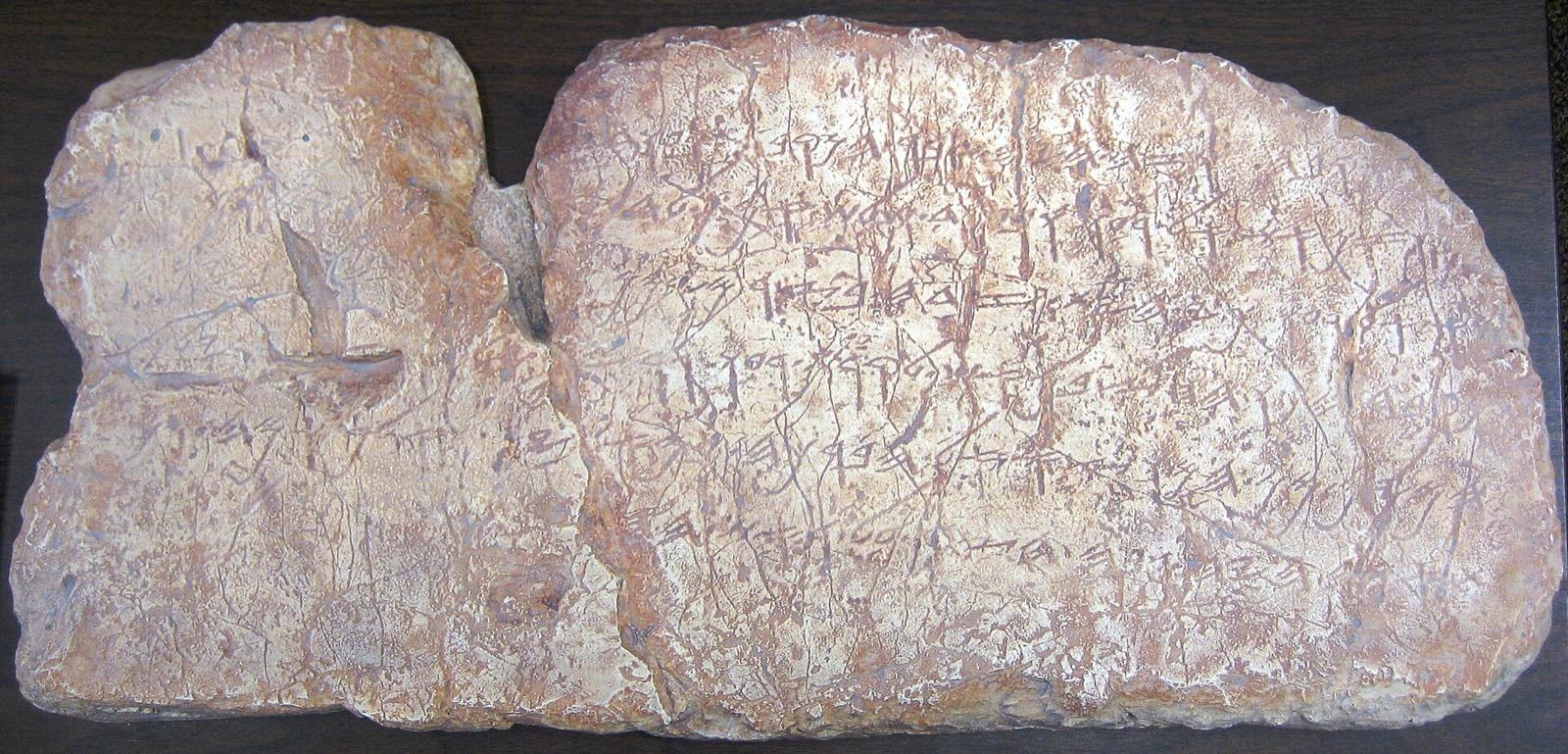
    A 533-meter tunnel cut through bedrock to bring the Gihon Spring’s water inside Jerusalem, with a Hebrew inscription describing the moment the two digging crews met. Most scholars identify it with the work in 2 Kings 20:20, where Hezekiah “made a pool, and a conduit, and brought water into the city.”

    View full finding: Hezekiah’s Tunnel and the Siloam Inscription
  • The Cyrus Cylinder

    Established

    Babylon, Iraq

    2 Chronicles 36:22–23; Ezra 1:1–4; Ezra 6:2–5; Isaiah 44:28–45:1

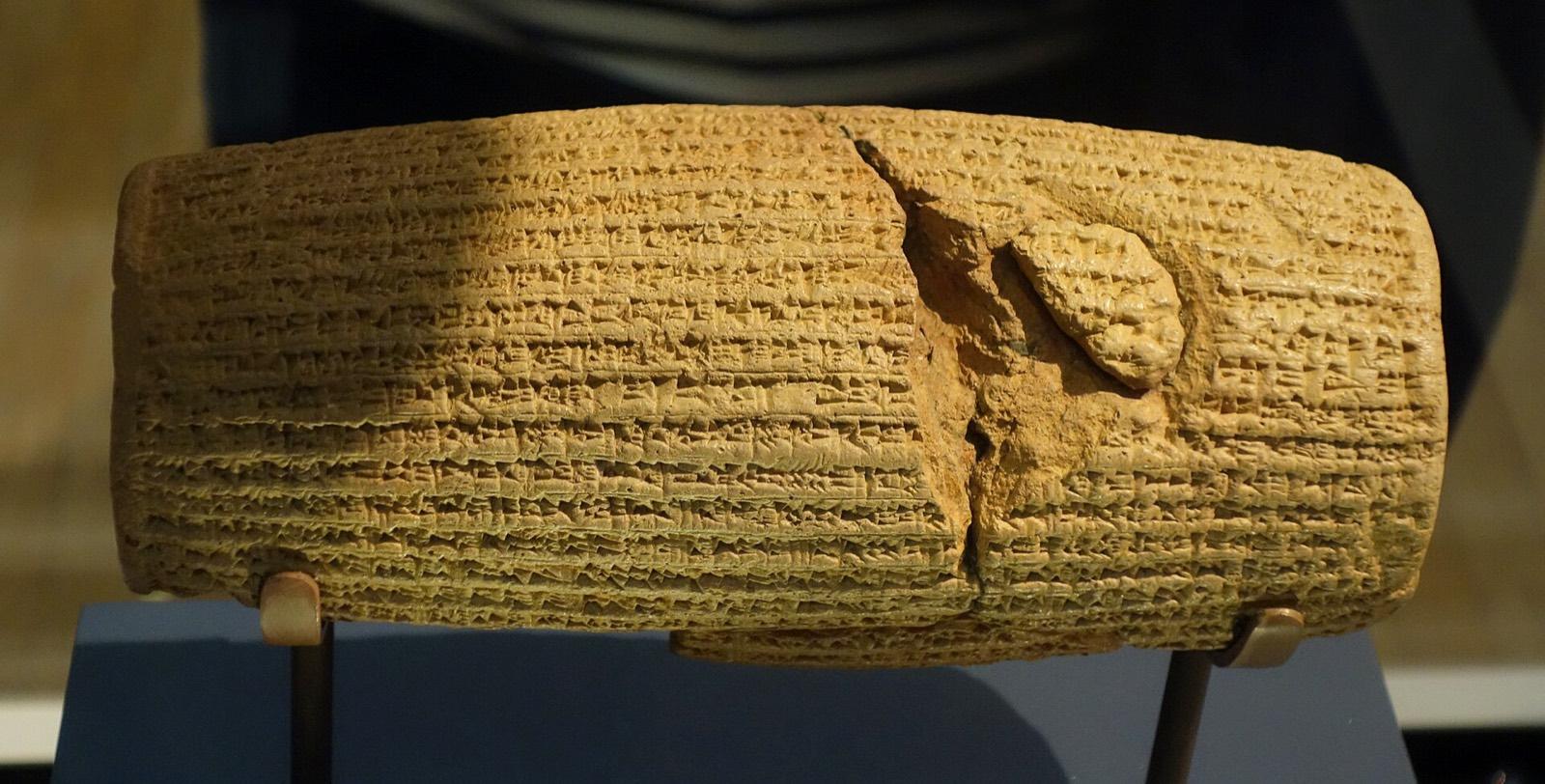
    A clay cylinder in which Cyrus the Great of Persia describes conquering Babylon in 539 BC and returning displaced peoples and their gods to their homelands. Many historians see it as reflecting the kind of policy behind the decree in Ezra 1, though it does not mention the Jews.

    View full finding: The Cyrus Cylinder
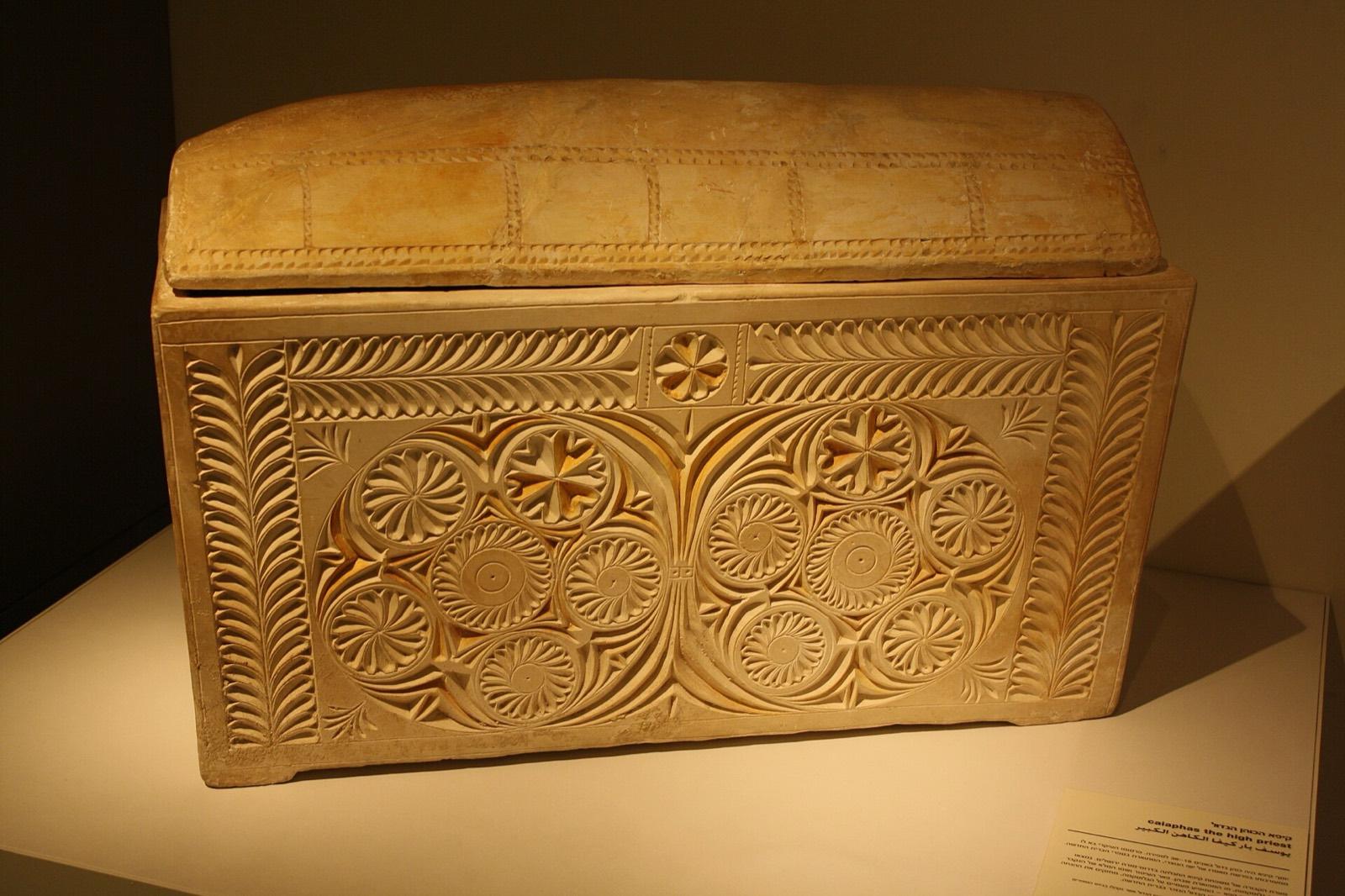
  • The Caiaphas Ossuary

    Supported

    Peace Forest, Jerusalem

    Matthew 26:57–66; Luke 3:2; John 11:49–53; John 18:12–14; John 18:24

    An ornate bone box found in a Jerusalem tomb in 1990, inscribed “Joseph son of Caiaphas.” Many scholars think it held the bones of the high priest who handed Jesus over to Pilate.

    View full finding: The Caiaphas Ossuary
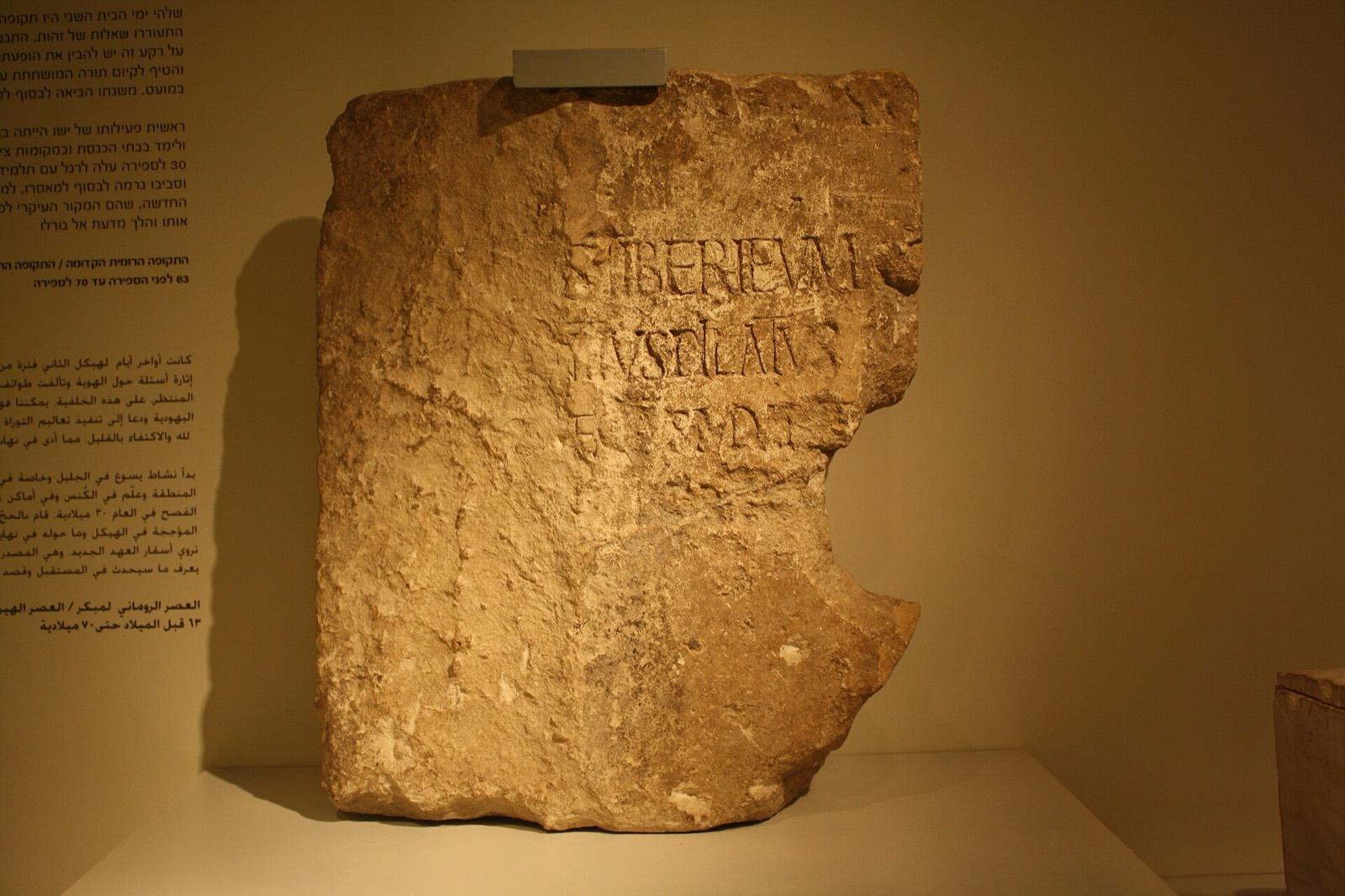
  • The Pilate Stone

    Established

    Caesarea Maritima, Israel

    Matthew 27:1–2; Mark 15:1–15; Luke 3:1; John 19:13–16

    A limestone block found at Caesarea in 1961 that bears the name of Pontius Pilate and his title, prefect of Judea. It is the only known inscription from his lifetime that clearly names him.

    View full finding: The Pilate Stone
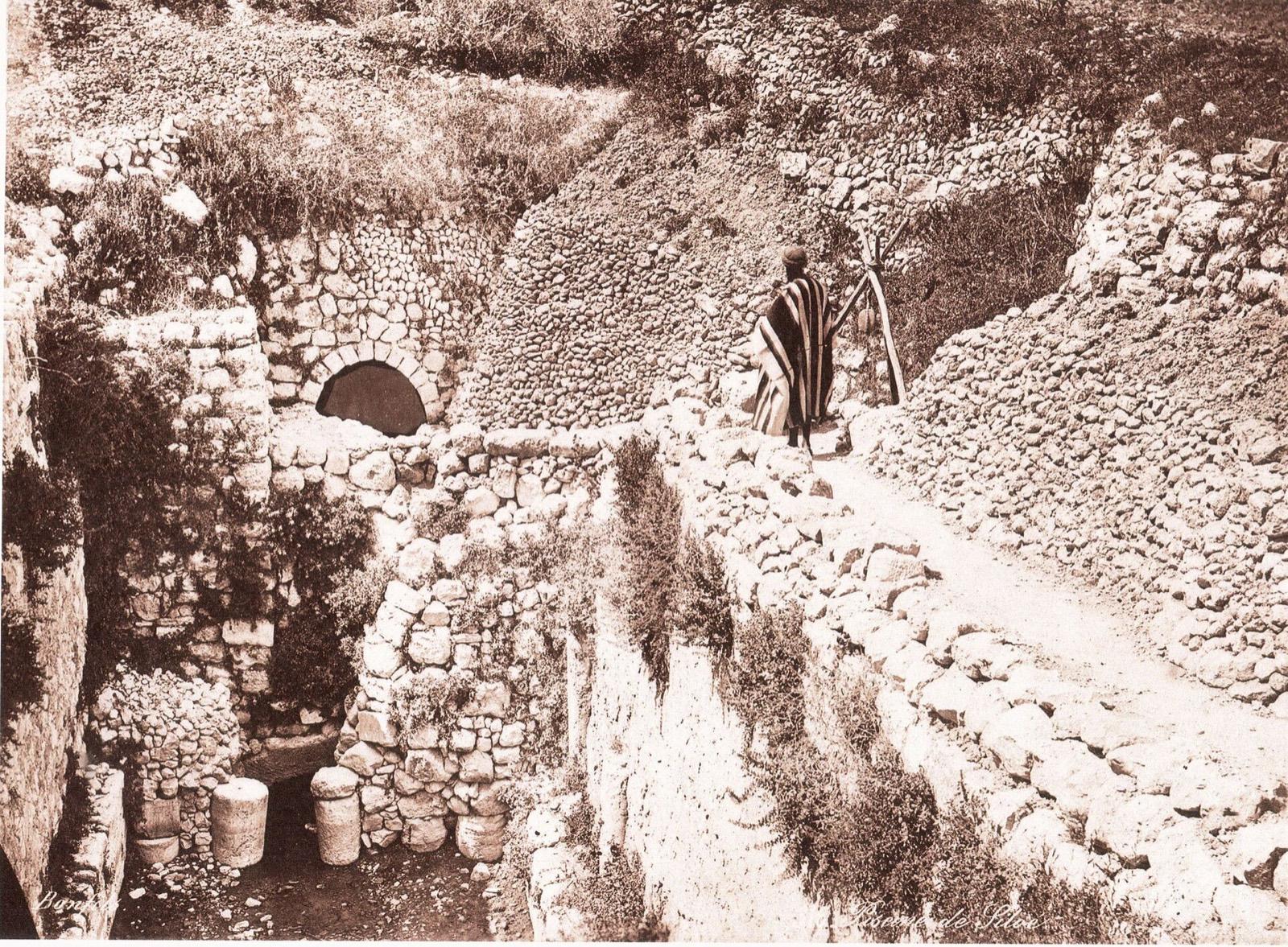
  • The Pool of Siloam

    Supported

    City of David (Silwan), Jerusalem

    Nehemiah 3:15; John 9:6–11

    A large stepped pool from the time of Jesus, uncovered by accident in Jerusalem in 2004. Most scholars identify it as the pool of Siloam, where John’s Gospel says Jesus sent a blind man to wash.

    View full finding: The Pool of Siloam